
How to Choose Interior Paint Colors for Baltimore Homes
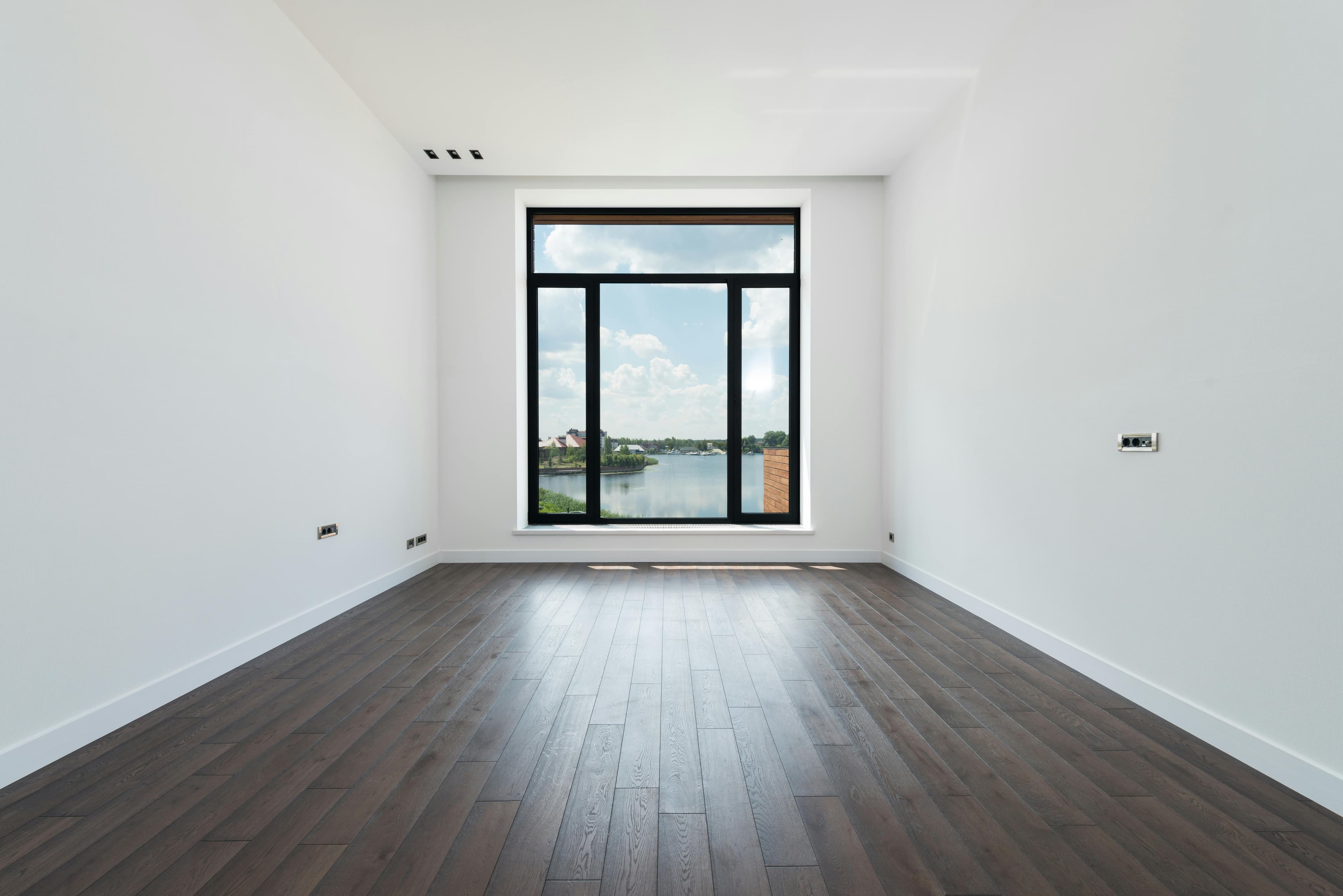
Choosing a paint color sounds simple until you're standing in a home improvement store with 200 white swatches and no idea which one will look right on your walls. In Baltimore, where a lot of the housing stock includes older rowhouses, craftsman-style bungalows, and colonial-era homes with smaller windows and distinct trim profiles, getting color right matters more than in new construction where everything is generic to begin with.
Here is what we look at before making color recommendations for the homes we paint.
Start With the Light
Natural light is the single biggest factor in how a paint color reads in your home. Baltimore is a northern mid-Atlantic city. We get strong summer sun but lower light angles in fall and winter, and many older homes have north-facing rooms that receive indirect, cooler light most of the day.
A color that looks warm and inviting on a sample card in the store can read gray or purple in a north-facing room. A color that looks like a soft sage can appear almost army green in a room flooded with late afternoon western sun.
Before selecting any color, identify your room's primary light source and what direction it faces. Then test samples on the actual walls and look at them at multiple times of day before committing.
Understand Undertones
Every paint color has an undertone, even whites and grays. A white with a yellow undertone looks creamy and warm. A white with a blue undertone reads crisp and cool. A gray with a purple undertone can feel lavender in natural light.
The problem is undertones are not always obvious on the chip. You need to test colors against the fixed elements in your space, meaning the flooring, countertops, trim color, and any furniture you plan to keep.
Common undertone mismatches we see:
- Warm beige walls paired with cool gray LVP flooring
- Blue-toned gray walls paired with orange-tinted oak trim
- Bright white ceiling against a soft white with warm undertones (the ceiling reads stark and cold)
The 60-30-10 Framework
Professional designers use a simple formula: 60 percent of a room's color comes from the walls, 30 percent from large furniture and rugs, and 10 percent from accessories and accents.
If you are keeping your current furniture and rugs, the 30 percent is already set. Your wall color (60 percent) should complement that existing palette, not clash with it. The 10 percent accent gives you room to introduce a pop of something bolder through pillows, artwork, or a painted accent wall.
Colors That Work in Baltimore Homes
After painting hundreds of homes across Baltimore City and the surrounding counties, we see certain palettes consistently work well.
For older rowhouses and craftsman bungalows: Warm whites, soft greiges (gray-beige hybrids), and muted sage greens complement the natural wood trim and older character details. Benjamin Moore's White Dove and Sherwin-Williams' Accessible Beige are two of the most versatile options we use.
For colonial and federal-style homes: Deeper, saturated colors work well in formal spaces. Navy blues, forest greens, and charcoal reads well in dining rooms and studies where the light is often dimmer and the goal is atmosphere over brightness.
For contemporary renovations: True white walls (with a blue or green undertone) and light concrete grays create the clean, minimal look without going sterile.
For open floor plan spaces: Choose one primary color and use its lighter or darker value in adjoining spaces rather than switching to a completely different hue. This creates visual flow through the space.
Test Before You Commit
We always tell homeowners: buy the sample. A two-ounce sample from Benjamin Moore or Sherwin-Williams costs a few dollars. Paint a 12 by 12 inch patch on the actual wall. Look at it in the morning, at noon, and in the evening. Look at it on a cloudy day and a sunny day.
A sample is the only way to know how a color will behave in your specific space. There are no shortcuts.
Trim and Ceiling Color
Do not forget that trim and ceiling color are just as important as the wall. In Baltimore's older homes, the trim is often the architectural feature that defines the space. White trim against a bold wall creates drama and highlights the detail. Trim painted in the same color family as the wall (in a lighter or glossier sheen) creates a softer, more contemporary look.
Ceilings are almost always painted a lighter version of the wall color or a standard ceiling white. Avoid stark bright white on ceilings in rooms with warm-toned walls. It creates an unwanted contrast that makes the room feel like a box with a lid.
When to Call a Pro
If you've been staring at the same three swatches for two weeks and still cannot decide, it's time to bring someone in. Many painting contractors, including Elite Finishes, will discuss color during the estimate. We have painted enough homes to have strong opinions about what works and what does not, and we're happy to share them.
The cost of repainting because you chose the wrong color is always more than the cost of getting it right the first time.
Elite Finishes Team
Licensed Contractors at Elite Finishes
Elite Finishes is a licensed painting and home remodeling company (MHIC 153498) serving Baltimore City, Baltimore County, Anne Arundel County, and Howard County, Maryland. Our team has completed hundreds of interior and exterior painting, kitchen, bathroom, flooring, and full remodeling projects throughout the Baltimore metro area. We write about what Maryland homeowners should know before starting their next home improvement project.
Ready to Get Started on Your Interior Painting Project?
We provide free estimates for all interior painting projects in Baltimore and surrounding Maryland communities.